
Key Takeaways
Appetite and food cravings may increase after stopping semaglutide.
Some weight regain is common, although results vary between individuals.
Blood sugar may rise, particularly in people using Ozempic for Type 2 diabetes.
Medication-related digestive symptoms may improve after discontinuation.
Semaglutide does not typically cause classic withdrawal symptoms.
Changes to GLP-1 treatment should be discussed with a healthcare provider.
Thinking about stopping Ozempic, Wegovy, or semaglutide? As the medication’s effects fade, you may notice changes in hunger, weight, digestion, and blood sugar. Some effects of treatment gradually reverse, while certain medication-related side effects may improve. The experience can vary depending on your health, treatment history, and reason for taking semaglutide.
What Does Semaglutide Do in the Body?
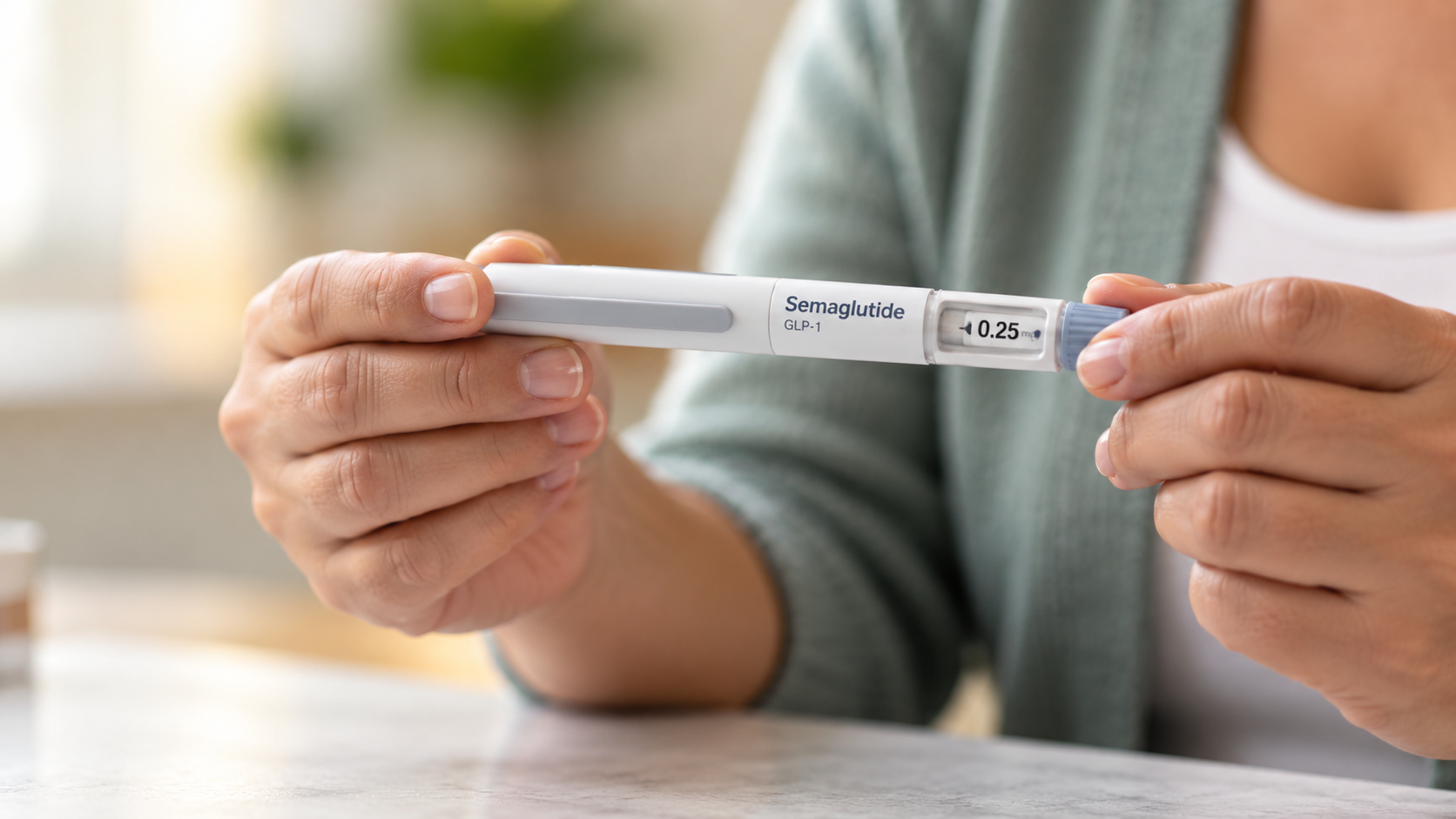
Semaglutide is a GLP-1 receptor agonist that affects appetite, digestion, and blood-sugar regulation. It slows stomach emptying and can help you feel full for longer, making it easier to reduce food intake. Ozempic and Wegovy both contain semaglutide, although they are approved for different uses. These benefits depend on the medication remaining active in the body. Once treatment stops, its effects gradually decrease.
For more context, see Drip Alchemy’s guide on how fast semaglutide works for weight loss.
What Happens When You Stop Taking Ozempic?
When you stop taking Ozempic, its effects on appetite, digestion, blood sugar, and weight management gradually wear off. Hunger and food cravings may become stronger again, and some people regain part of the weight they lost. People taking Ozempic for Type 2 diabetes may also notice higher blood-glucose levels. At the same time, medication-related symptoms such as nausea, heartburn, or constipation may begin to improve.
Appetite and Cravings May Increase
Ozempic can reduce hunger and help people feel satisfied with smaller portions. Once treatment stops, these effects become weaker, and appetite may return toward its previous level. Some people notice that they become hungry sooner between meals or start experiencing stronger cravings again. This transition is not identical for everyone. Regular meals built around protein, fiber, and balanced portions can help make returning hunger easier to manage.
Weight Regain May Occur
Weight regain is common after semaglutide treatment ends. Research cited by GoodRx found that participants regained a substantial portion of the weight they had lost during the year after stopping treatment. The amount varies depending on appetite, metabolism, activity, eating habits, and ongoing support. Regaining some weight does not necessarily mean returning completely to your starting weight.
Blood Sugar Can Change
Ozempic also supports blood-sugar control, particularly for people with Type 2 diabetes. After stopping, blood glucose may begin moving back toward pre-treatment levels if another treatment is not in place. This can be especially important for people with diabetes or prediabetes. A healthcare provider can help determine whether another medication or monitoring plan is needed.
What Happens When You Stop Taking Wegovy?

Wegovy also contains semaglutide, so many of the same changes can occur after treatment ends. Appetite may increase, feelings of fullness may decrease, and maintaining the weight lost during treatment can become more challenging. The Center for Weight Loss Surgery also identifies appetite return and weight regain as common after GLP-1 medications are discontinued. The main difference is that Wegovy is specifically used for chronic weight management in eligible patients.
Side Effects of Ozempic After Stopping
The phrase “side effects of Ozempic after stopping” often refers to changes that happen as the medication wears off rather than true withdrawal symptoms. Increased hunger, changes in blood sugar, and weight regain may occur because the treatment is no longer producing the same effects. Meanwhile, symptoms caused by the medication itself may improve.
How Long Do Semaglutide Side Effects Last After Stopping?
There is no single timeline for how long semaglutide side effects last after stopping. Digestive symptoms such as nausea, constipation, bloating, or heartburn may gradually improve as the medication clears from the body. Some people notice improvement sooner than others. Appetite returning or blood sugar rising should not necessarily be considered side effects, because these changes reflect the loss of semaglutide’s treatment effect.
Can You Stop Ozempic or Wegovy Suddenly?
Semaglutide is not usually associated with classic withdrawal symptoms, but stopping it without medical guidance may still create problems. People with diabetes, prediabetes, heart disease, high blood pressure, or other metabolic concerns may need monitoring when treatment changes.
Your provider can help determine whether stopping, changing medications, or continuing treatment is appropriate for your situation.
How to Maintain Weight-Loss Progress After Stopping Semaglutide
Once semaglutide is stopped, long-term habits become more important because the medication is no longer helping regulate appetite. A sustainable plan should focus on nutrition, physical activity, sleep, and regular medical follow-up rather than extreme dieting.
Prioritize Protein and Fiber

Meals containing protein and fiber tend to be more filling and may help with appetite management. Foods such as lean meats, fish, eggs, beans, vegetables, fruits, and whole grains can support a balanced eating pattern. The goal is not to eliminate entire food groups, but to create meals that are satisfying enough to reduce constant snacking or overeating.
Stay Consistently Active

Regular physical activity can support weight maintenance, cardiovascular health, and metabolic function. Walking, cycling, resistance training, or other activities can all be useful if they are performed consistently. Strength training can also help preserve muscle after weight loss. Choose an exercise routine that fits your schedule and physical ability instead of relying on an overly intense short-term plan.
Support Sleep and Stress Management

Sleep and stress can influence appetite, energy, and food choices. Poor sleep may make hunger and cravings more difficult to manage, while chronic stress can make healthy routines harder to maintain. A regular sleep schedule, adequate rest, and realistic stress-management habits can support your overall weight-management plan.
Continue Medical Follow-Up
Regular check-ins can help monitor weight, appetite, blood sugar, and other health markers after treatment changes. A provider can also discuss alternative medications or maintenance strategies when appropriate. The Center for Weight Loss Surgery similarly highlights nutrition, exercise, behavioral changes, and medical follow-up when GLP-1 medications are discontinued.
Drip Alchemy also explains what happens during a medical weight loss consultation.
When Should You Talk to Your Healthcare Provider?
Talk with your provider before stopping semaglutide if you have diabetes, prediabetes, cardiovascular concerns, or another condition being managed with the medication. Medical advice is also important if side effects are causing you to stop, you are experiencing rapid weight regain, or you are considering another GLP-1 medication. Persistent nausea, vomiting, abdominal symptoms, or major blood-sugar changes should also be evaluated.
For related guidance, see Drip Alchemy’s information on weight loss injections in NYC.
Frequently Asked Questions
What happens when you stop taking Ozempic?
The medication’s effects on hunger, fullness, blood sugar, and weight gradually decrease. Appetite may increase, some weight may return, and blood sugar can rise in people using Ozempic for diabetes.
Do you regain all the weight after stopping Ozempic?
Not necessarily. Weight regain is common, but the amount differs from person to person. Eating habits, activity levels, metabolism, and continued medical support can all influence long-term results.
Does stopping Ozempic cause withdrawal symptoms?
Ozempic does not generally cause classic withdrawal symptoms. Changes such as increased hunger or weight regain are usually related to the medication’s effects wearing off.
How long do semaglutide side effects last after stopping?
There is no exact timeline. Digestive symptoms often improve gradually after treatment ends, but individual experiences vary. Contact your provider if symptoms persist or become severe.
Does appetite come back after stopping semaglutide?
Yes, appetite can increase as semaglutide's effect on hunger and fullness decreases. Some people notice this change more strongly than others.
Can you restart semaglutide after stopping?
Restarting treatment may be possible, but it should be discussed with the prescribing provider. Your current health, treatment history, and reason for stopping can affect the appropriate plan.
Final Thoughts
Stopping Ozempic, Wegovy, or semaglutide can affect appetite, weight, blood sugar, and digestion. Some people experience weight regain or stronger hunger, while medication-related digestive symptoms may improve.
If you are considering changing or stopping GLP-1 treatment, a personalized consultation at Drip Alchemy NYC can help you discuss your progress, concerns, and long-term weight-management options with a licensed medical professional.
